- 18/06/2026
- Dr. Pinak Dasgupta
- 0 Comments
- blog
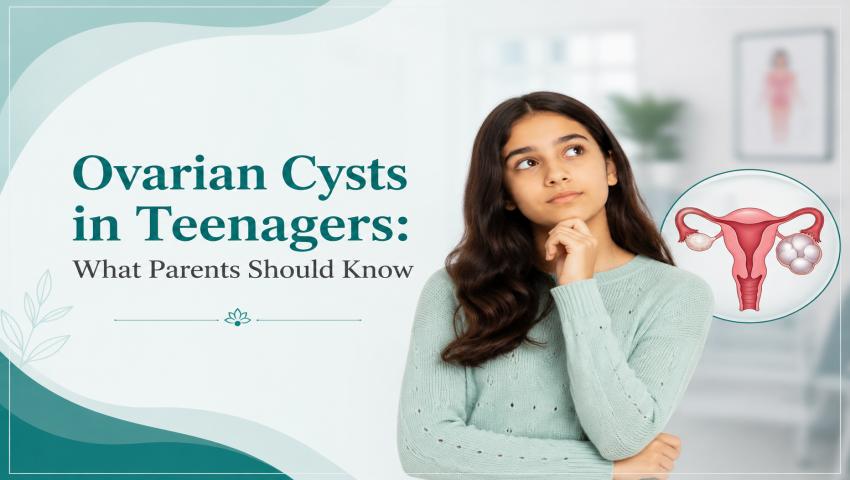
Ovarian Cysts in Teenagers: What Parents Should Know?
Hearing that your teenage daughter has an ovarian cyst can be worrying for any parent. Questions about fertility, future health, and whether surgery is needed often arise immediately. The good news is that most ovarian cysts in teenagers are harmless, common, and often resolve on their own without causing long-term problems.
However, some ovarian cysts may require monitoring or medical treatment, especially if they cause pain, grow larger, or affect reproductive health.
At ALVUS Care, Royapettah, Chennai, Dr. Lily Nandi provides specialized adolescent gynecology care and helps families understand ovarian cysts, their causes, symptoms, and treatment options.
What is an Ovarian Cyst?
An ovarian cyst is a fluid-filled sac that develops inside or on the surface of an ovary.
The ovaries are part of the female reproductive system and play an important role in hormone production and egg release.
During adolescence, ovarian cysts are relatively common because the ovaries are becoming hormonally active as puberty progresses.
Most ovarian cysts are benign (non-cancerous) and disappear naturally over time.
Are Ovarian Cysts Common in Teenagers?
Yes.
Many teenage girls develop ovarian cysts during their reproductive years, often without even knowing it.
In many cases:
- The cyst causes no symptoms
- It is discovered during an ultrasound
- It disappears naturally within a few menstrual cycles
Most ovarian cysts in adolescents are related to normal ovulation and are not a cause for concern.
Types of Ovarian Cysts Seen in Teenagers:
1. Functional Ovarian Cysts: These are the most common ovarian cysts in adolescents. They occur as part of the normal menstrual cycle.
2. Follicular Cyst: Develops when a follicle does not release an egg and continues to grow.
3. Corpus Luteum Cyst: Forms after ovulation when the follicle seals and fills with fluid. Most functional cysts resolve naturally.
4. Dermoid Cysts: Dermoid cysts are benign growths that may contain:
- Hair
- Skin tissue
- Fat
Although uncommon, they may require treatment if they become large.
5. Endometriomas: These cysts are associated with endometriosis and are less common in teenagers but can occur.
They may cause:
- Severe period pain
- Chronic pelvic pain
6. Polycystic Ovaries: Some teenagers with PCOS may have multiple small ovarian follicles visible on ultrasound. This is different from having a single ovarian cyst.
What Causes Ovarian Cysts in Teenagers?
Several factors may contribute to cyst formation.
Common causes include:
- Normal Hormonal Activity: The most common cause of ovarian cysts in adolescents is normal ovulation.
- Hormonal Imbalances: Irregular hormone levels can affect follicle development.
- Polycystic Ovary Syndrome (PCOS): PCOS can affect ovarian function and menstrual regularity.
- Endometriosis: In some cases, endometriosis may lead to ovarian cyst formation.
- Previous Ovarian Cysts: Some girls may be more prone to developing recurrent cysts.
Symptoms of Ovarian Cysts in Teenagers:
Many ovarian cysts cause no symptoms.
When symptoms occur, they may include:
1. Pelvic Pain:
- Mild discomfort
- One-sided pelvic pain
- Lower abdominal pain
2. Bloating:
A feeling of fullness or abdominal swelling.
3. Irregular Periods:
Some girls may experience:
- Delayed periods
- Missed periods
- Irregular cycles
4. Pain During Physical Activity:
Large cysts may cause discomfort during sports or exercise.
5. Sudden Severe Pain:
A medical emergency may occur if:
- A cyst ruptures
- The ovary twists (ovarian torsion)
Immediate medical attention is required.
Warning Signs Parents Should Never Ignore:
Seek urgent medical evaluation if your daughter experiences:
- Sudden severe abdominal pain
- Severe pelvic pain
- Nausea and vomiting with pelvic pain
- Fainting or dizziness
- Persistent abdominal swelling
- Fever with pelvic pain
These symptoms may indicate complications requiring immediate treatment.
Can Ovarian Cysts Affect Fertility?
This is one of the most common concerns among parents. The reassuring news is that most ovarian cysts do not affect future fertility. However, fertility may be impacted in certain conditions such as:
- Severe endometriosis
- Repeated ovarian surgeries
- Advanced ovarian disease
Early diagnosis and appropriate management help protect reproductive health.
How Are Ovarian Cysts Diagnosed?
At ALVUS Care, Dr. Lily Nandi performs a detailed evaluation that may include:
1. Medical History:
Assessment of:
- Menstrual cycles
- Symptoms
- Family history
- Previous ovarian problems
2. Physical Examination:
Performed only when clinically necessary and in an age-appropriate manner.
3. Pelvic Ultrasound:
Ultrasound is the primary tool used to evaluate ovarian cysts.
It helps determine:
- Size
- Type
- Location
- Characteristics
Most ovarian cysts can be accurately assessed with ultrasound.
4. Hormonal Evaluation:
Hormonal tests may be recommended when:
- PCOS is suspected
- Menstrual irregularities are present
- Hormonal imbalance is suspected
Do All Ovarian Cysts Need Treatment?
No. Many ovarian cysts disappear naturally without treatment.
Management depends on:
- Cyst size
- Symptoms
- Type of cyst
- Age
- Ultrasound findings
- Observation and Monitoring: Small functional cysts often require only follow-up ultrasounds.
- Medical Treatment: Medication may be recommended to manage symptoms or underlying hormonal conditions.
- Advanced Treatment: Larger, persistent, or symptomatic cysts may require further evaluation and treatment planning.
Dr. Lily Nandi focuses on preserving ovarian function and future fertility whenever treatment is necessary.
Can Ovarian Cysts Be Prevented?
Not all ovarian cysts can be prevented.
However, regular gynecological care helps:
- Detect cysts early
- Monitor changes
- Prevent complications
- Protect reproductive health
Parents should encourage teenagers to discuss menstrual and pelvic symptoms openly.
How Parents Can Support Their Daughter:
Parents play an important role in helping teenagers manage gynecological concerns.
Helpful steps include:
- Encouraging open communication
- Tracking menstrual cycles
- Monitoring symptoms
- Attending follow-up appointments
- Avoiding unnecessary panic
Most ovarian cysts are manageable and do not cause long-term problems.
When Should You Consult a Gynecologist?
Schedule an evaluation if your daughter experiences:
- Persistent pelvic pain
- Recurrent ovarian cysts
- Irregular periods
- Severe menstrual pain
- Abdominal bloating
- Sudden changes in menstrual cycles
Early medical assessment helps ensure appropriate care and peace of mind.
Expert Adolescent Gynecology Care in Royapettah, Chennai:
At ALVUS Care, Dr. Lily Nandi provides compassionate and specialized care for adolescents experiencing ovarian cysts, menstrual disorders, hormonal imbalances, PCOS, and other gynecological concerns.
Our goal is to support healthy development while protecting future reproductive health.
Frequently Asked Questions:
Book an Appointment:
If your daughter has been diagnosed with an ovarian cyst or is experiencing pelvic pain, irregular periods, or menstrual concerns, consult Dr. Lily Nandi at ALVUS Care, Royapettah, Chennai, for expert adolescent gynecology evaluation and personalized care.